Is MMA Right for Beginners?
Mixed martial arts can look intimidating from the outside. You may see experienced fighters combining punches, kicks, takedowns, grappling, and conditioning and wonder, “Could someone with absolutely no experience actually start MMA?” The answer is that MMA can be a great way to begin your martial arts journey when you train in an environment that teaches fundamentals progressively and matches training to your experience level. At Escondido Combat Academy, our academy welcomes students with different experience levels and goals. Whether you're interested in fitness, self-defense, learning martial arts, or eventually competing, you can build your skills over time. In this guide, we'll explain what MMA actually involves, what beginners can expect, whether you need to be in shape, what you should wear, and how to take your first step.
What Is MMA?
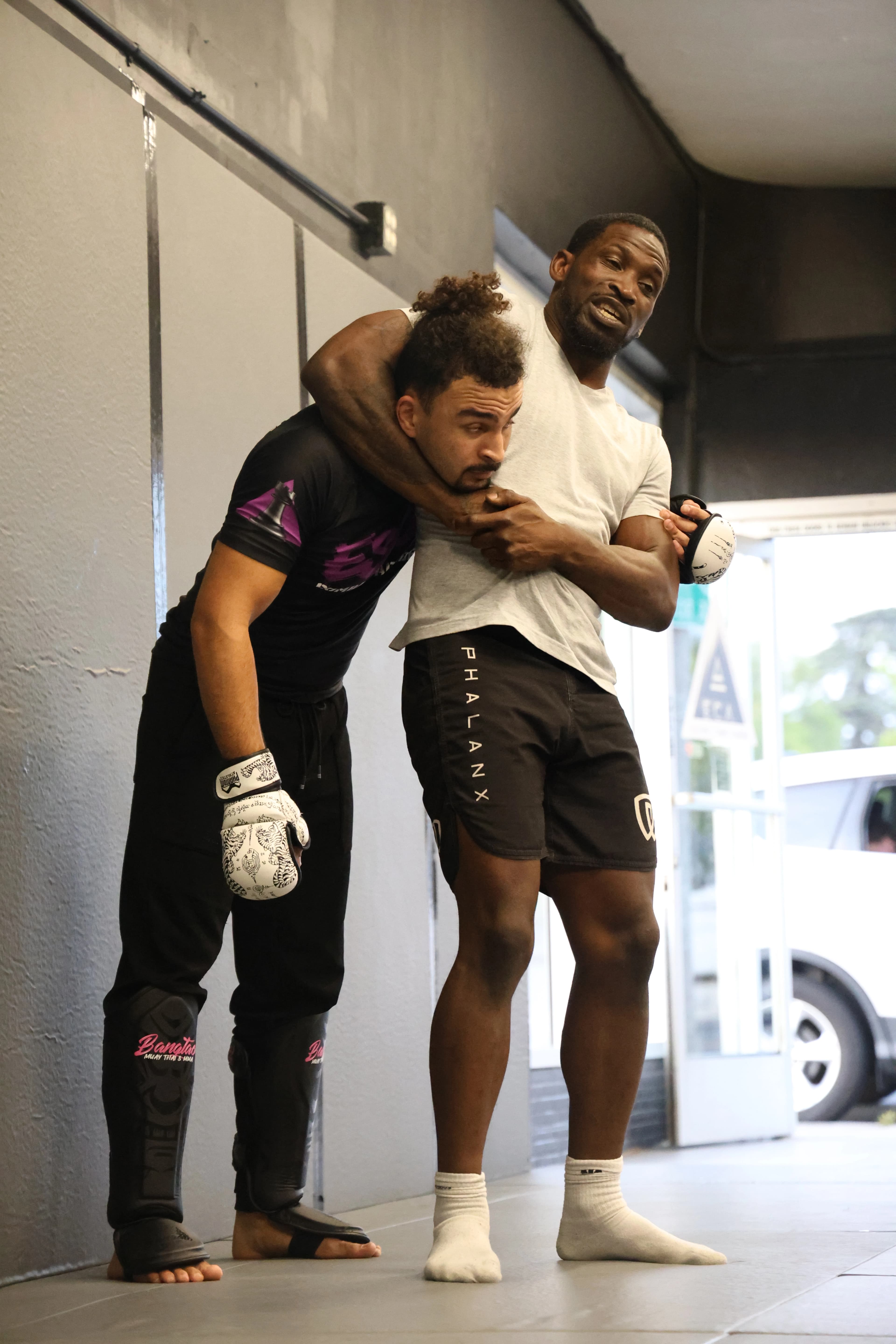
MMA stands for mixed martial arts. Rather than focusing on one martial art, MMA combines techniques from different areas of combat sports.Depending on the training program, MMA can incorporate striking, grappling, takedowns, ground fighting, positional control, defensive movement, and conditioning.ECA describes its MMA program as combining grappling, striking, cage awareness, and conditioning into a complete mixed martial arts program.Because MMA incorporates multiple skill sets, beginners don't need to know everything before they start. Training is about gradually learning the individual pieces and understanding how they work together.You can explore all of ECA's martial arts programs on our martial arts classes page.
Can You Start MMA With No Experience?
Yes. You do not need a background in martial arts to begin learning MMA.In fact, many people who become interested in MMA start with no previous combat sports experience. They may simply want to get in better shape, learn practical skills, gain confidence, or try something completely different from a traditional gym workout.You don't need to walk into your first class knowing how to punch, kick, wrestle, or grapple.Those are skills you learn through training.ECA's website specifically states that no experience is necessary to start its beginner-friendly martial arts programs. The academy's goal is to help new students learn safely and confidently rather than expecting them to arrive already knowing what to do.
Is MMA Too Hard for Beginners?
MMA can be physically demanding, but that doesn't mean you need to be in peak physical condition before you begin.One of the benefits of martial arts training is that your fitness can improve as you train. Your first few classes may feel challenging because your body is learning new movements and because MMA combines technical practice with physical conditioning.That's normal.Instead of comparing yourself with experienced students, focus on learning the technique, listening to your coach, and gradually improving your own conditioning.You don't have to be fit enough to start MMA. Starting MMA is one way to become more fit.
What Do Beginners Learn in MMA?
Because MMA combines multiple disciplines, beginners are exposed to several different areas of martial arts training.Depending on the class and your level, training may include:
- Basic striking fundamentals
- Punching and kicking technique
- Defensive movement
- Distance and timing
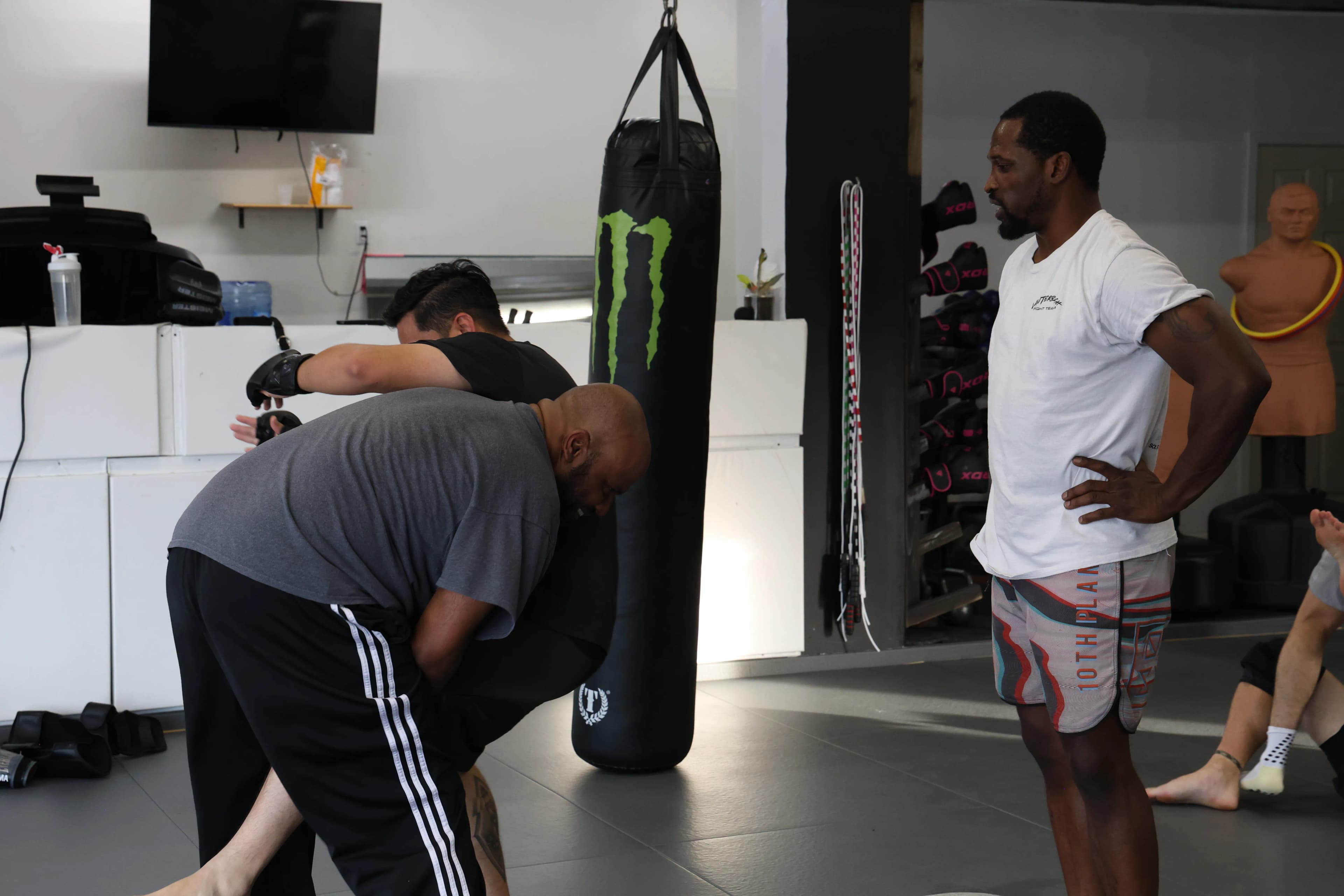
- Takedown fundamentals
- Grappling positions
- Ground control
- Escapes and positional movement
- Clinch work
- Cage awareness
- Pad work and drills
- Partner training
- Strength and conditioning
Striking Fundamentals
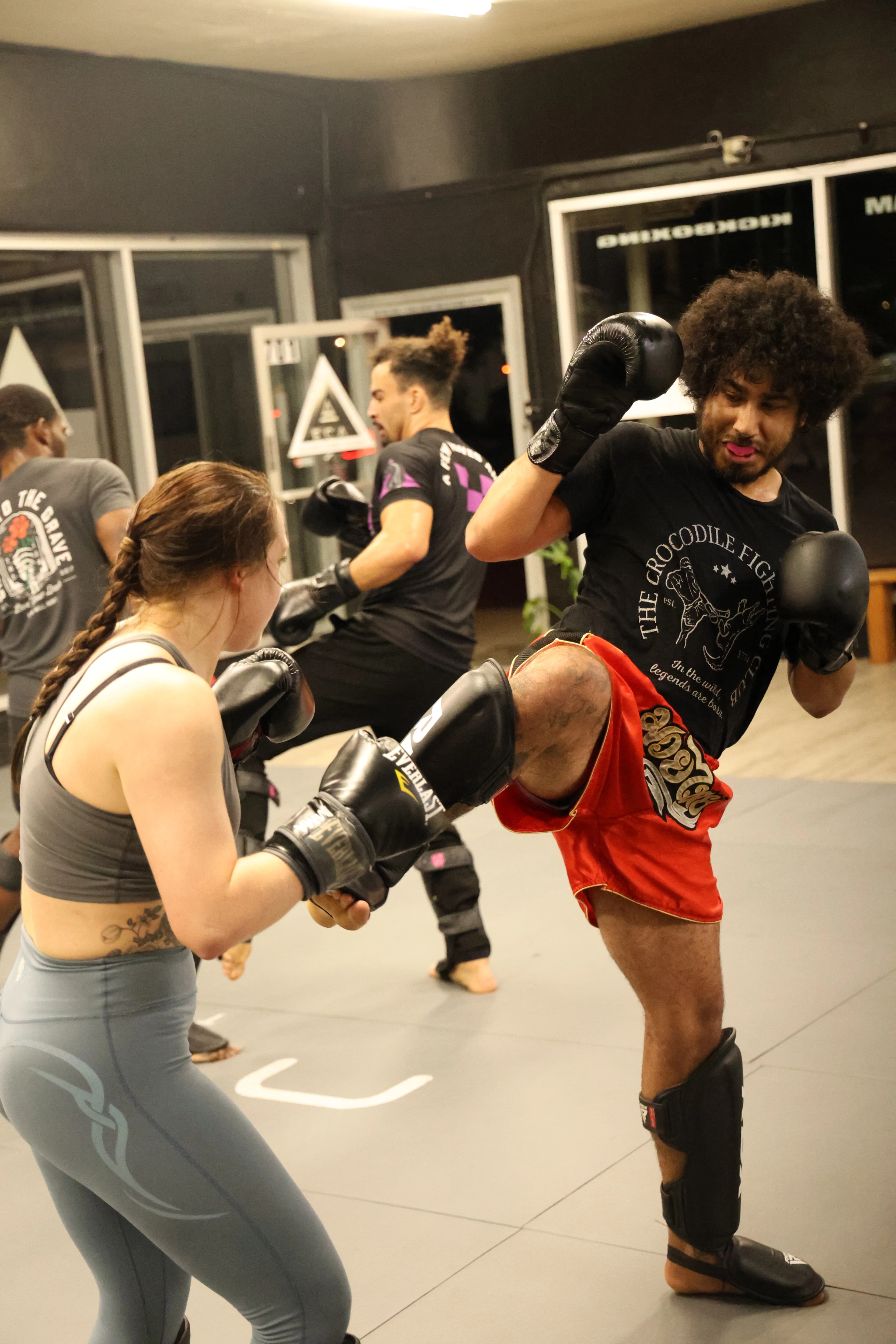
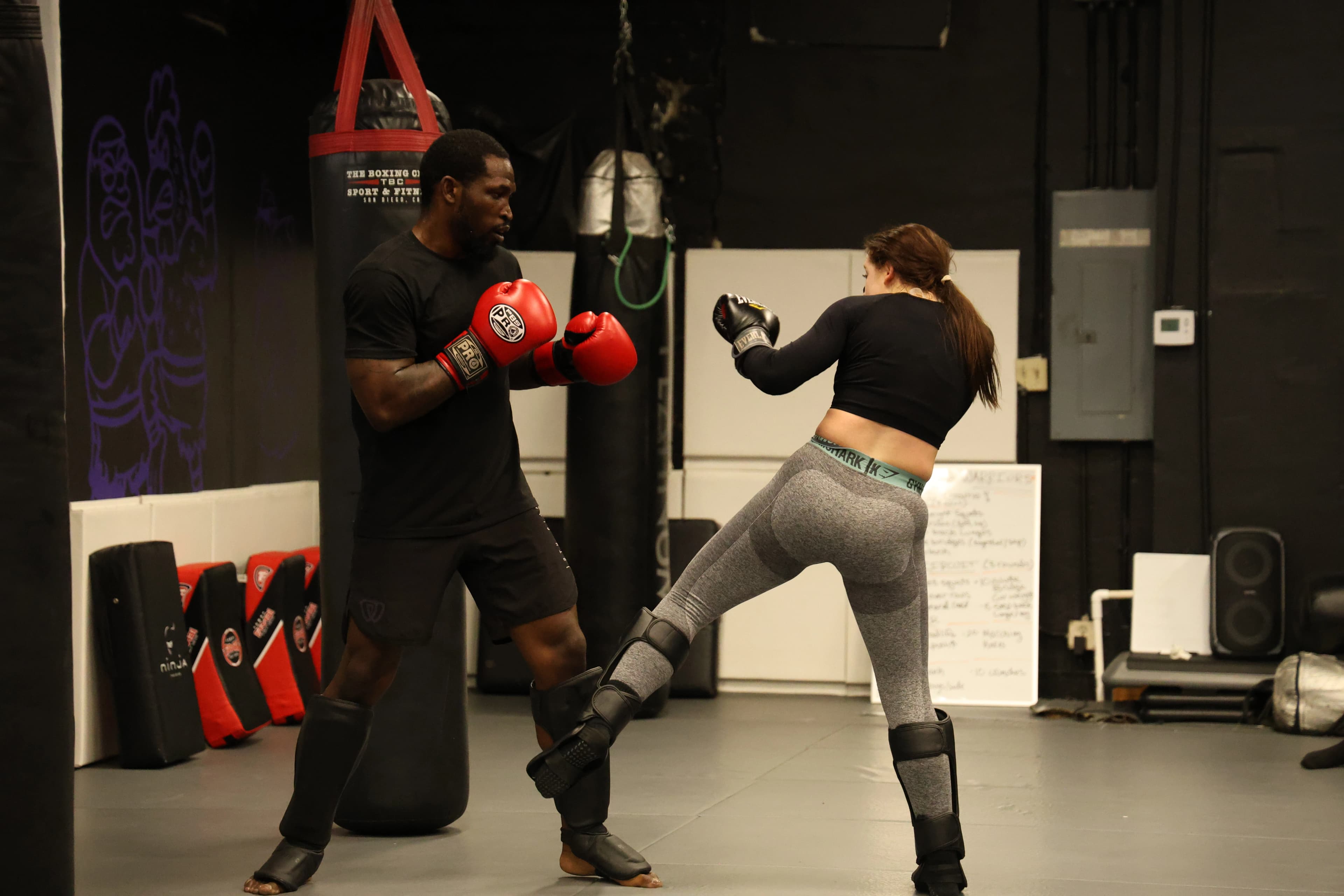
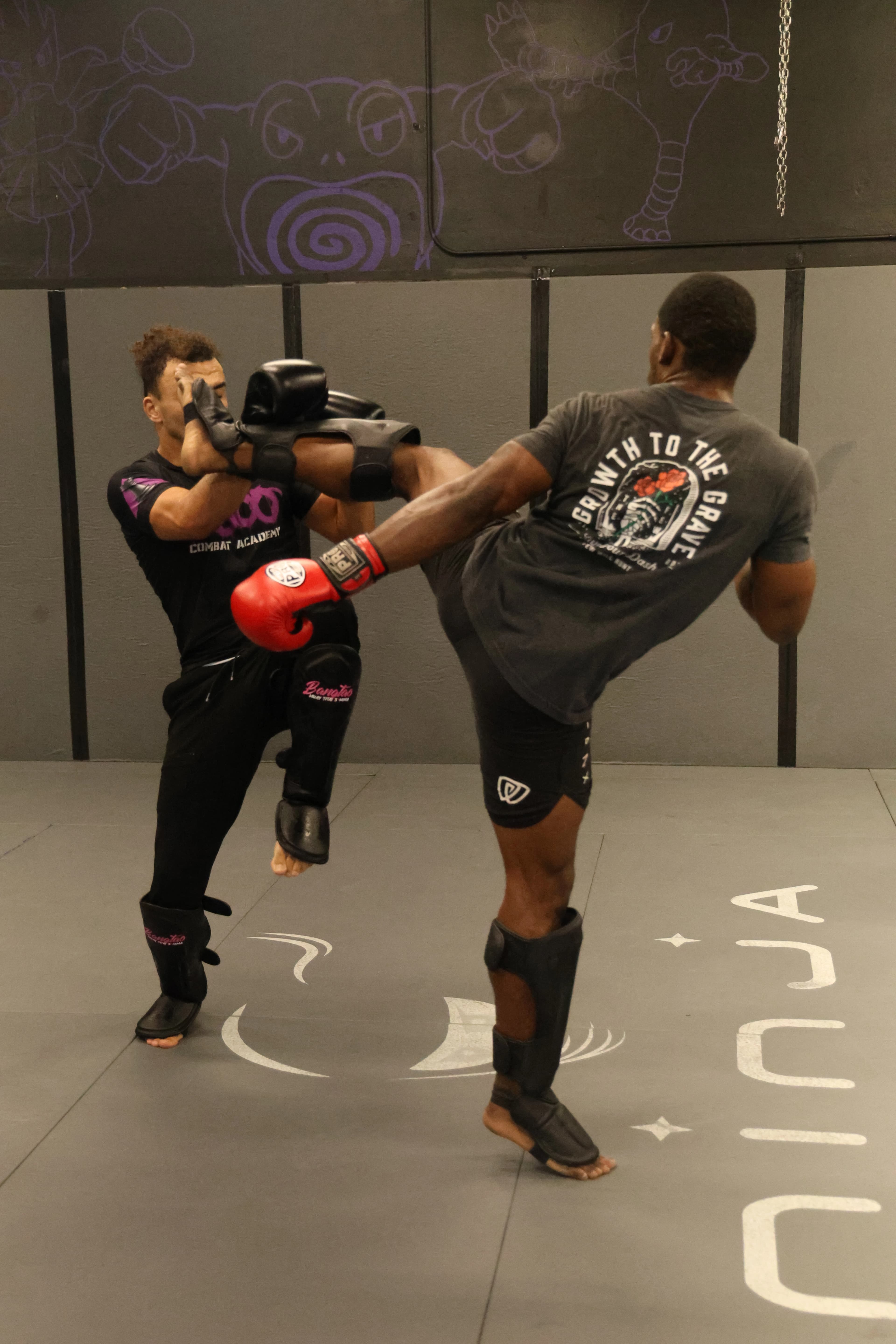
Striking is one of the major components of MMA. Beginners can learn the fundamentals of punches, kicks, stance, movement, defense, and combinations.Building a strong striking foundation takes repetition. Rather than trying to hit as hard as possible, beginners should focus on balance, technique, accuracy, movement, and control.If you want to spend more time developing your striking specifically, ECA also offers Boxing, Muay Thai, and Kickboxing training.
Grappling and Ground Fighting
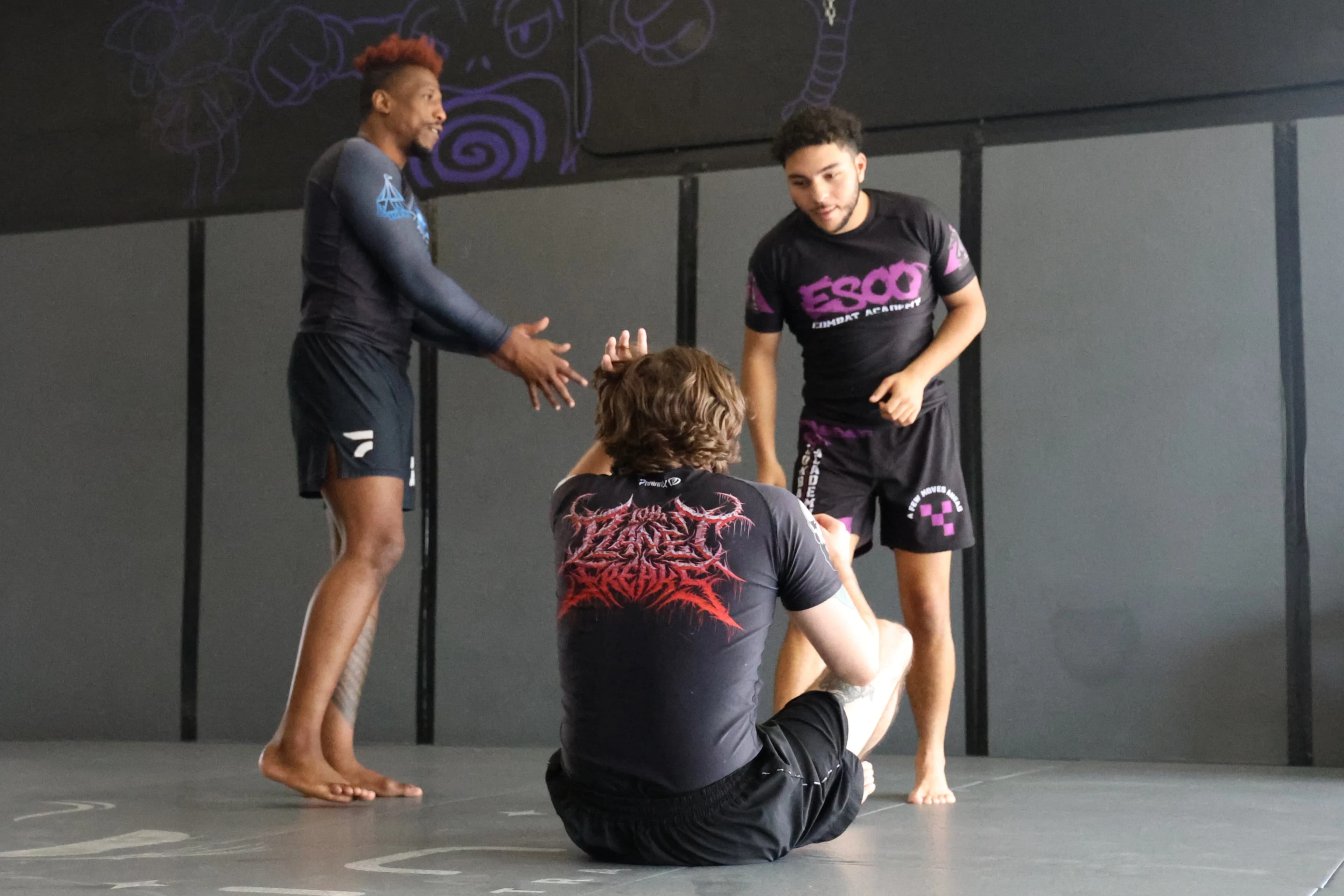
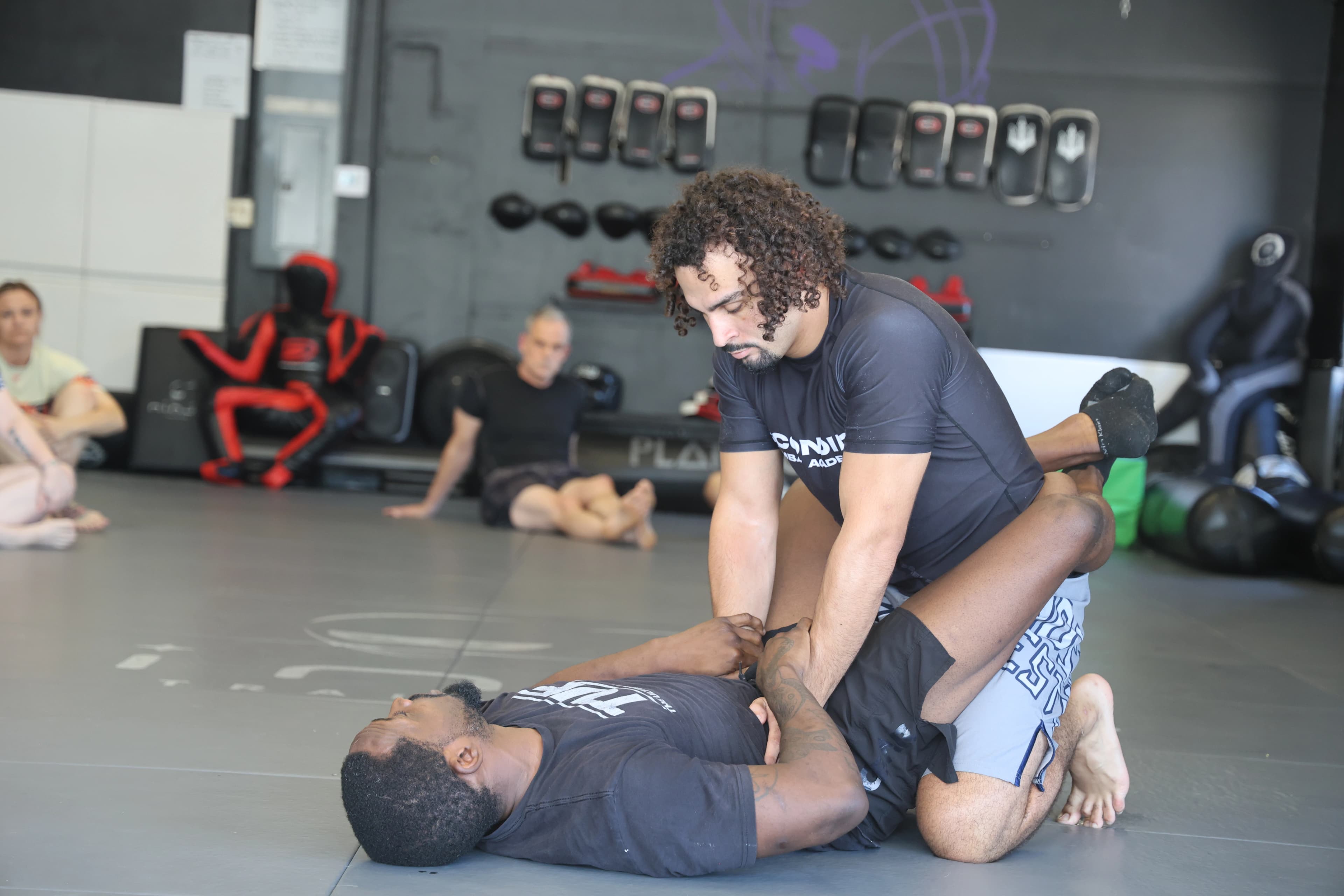
MMA isn't only about striking. Grappling is another major part of mixed martial arts.Beginners can learn how to control positions, move on the ground, defend against positional attacks, and understand how grappling fits into an MMA situation.At ECA, No-Gi Jiu-Jitsu provides a strong grappling foundation that can complement MMA training. No-Gi focuses on leverage, movement, positional control, and practical grappling without the traditional gi.Learn more about No-Gi Jiu-Jitsu at ECA.
Cage Awareness and Positioning
One thing that makes MMA different from training a single martial art is the environment in which different techniques have to work together.MMA training can include learning how positioning, movement, striking, and grappling interact around the cage.For beginners, this is about developing awareness and understanding rather than trying to master everything immediately.
What to Expect in Your First MMA Class
Your first MMA class may be completely different from what you've seen in professional fights.You are there to learn.A typical training session can include a warm-up, movement drills, technical instruction, partner work, striking or grappling drills, and conditioning.Your coach will explain the techniques and help you understand what you're supposed to do. You may work with a partner, but being a beginner does not mean you are expected to perform like an experienced fighter.The first class is about becoming familiar with the environment and learning the fundamentals.
Will I Have to Fight or Spar on My First Day?
Not necessarily. Learning MMA does not mean that you need to walk into the gym and immediately have a full-contact fight.Beginners need time to learn technique, movement, training etiquette, defensive habits, and control before progressing to more advanced forms of training.MMA training is a progression, not a test you have to pass on day one.Talk with your coach about your experience level and goals so they can help you understand what training is appropriate for you.
What Should You Wear to Your First MMA Class?
For your first class, comfortable athletic clothing is generally a good starting point.Choose clothing that allows you to move freely and doesn't have unnecessary zippers, buttons, or other features that could interfere with training.You don't need to buy a full collection of MMA equipment before trying your first class. Start with comfortable workout clothes and ask your coach what equipment you'll need as you continue training.If you have questions about what to bring, you can contact ECA before your first visit.
Benefits of MMA for Beginners
MMA can be a demanding workout, but the benefits extend beyond physical conditioning.Because you're learning new movements while working with coaches and training partners, MMA can challenge both your body and your mind.Beginners may experience benefits such as:
- Improved cardiovascular fitness
- Greater strength and endurance
- Better coordination and balance
- Improved mobility and athleticism
- Increased confidence
- Better focus and concentration
- Stress relief
- Practical martial arts skills
- Greater physical awareness
- A supportive training community
MMA for Fitness
If your main goal is getting in better shape, MMA can provide a different kind of workout from traditional gym training.Instead of repeating the same exercises, you're constantly learning and moving. Striking drills, grappling, footwork, partner work, and conditioning can challenge your cardiovascular system while also developing coordination and athleticism.The combination of technical learning and physical training can make workouts more engaging.ECA also offers Strength & Conditioning for students who want to further develop strength, endurance, mobility, and athletic performance.
MMA for Self-Defense
MMA gives students exposure to multiple areas of martial arts, including striking and grappling.That broad skill set can be useful for understanding distance, movement, striking, clinch situations, takedowns, and ground positions.However, no martial art can guarantee the outcome of a real-world confrontation.Effective self-defense also involves awareness, avoidance, de-escalation, and making safe decisions.For students specifically interested in self-defense, ECA also offers Women's Self-Defense training.
MMA vs. Boxing, Muay Thai, and Jiu-Jitsu
If you're brand new to martial arts, you may wonder whether you should start with MMA or focus on one discipline first.There isn't one universal starting point.Different programs emphasize different skills.Boxing focuses heavily on punching, footwork, defense, combinations, and conditioning. ECA's Boxing program is beginner friendly.Muay Thai develops striking using punches, kicks, knees, elbows, clinch work, and defensive movement. You can learn more on the Muay Thai classes page.No-Gi Jiu-Jitsu focuses on grappling, leverage, positional control, movement, and submissions without the traditional gi.MMA brings multiple areas together, giving students the opportunity to understand how striking and grappling interact.If you're unsure which direction makes the most sense for you, explore our full class lineup or talk with an ECA coach about your goals.
Do You Need to Be Athletic to Start MMA?
No. You don't have to consider yourself athletic before beginning martial arts.Beginners come to martial arts for many different reasons. Some want to lose weight, some want to learn self-defense, some want to build confidence, and others simply want a more interesting way to exercise.Your starting point doesn't have to be your final level of fitness.The goal is to improve gradually. As you attend classes consistently, movements that initially feel unfamiliar can become more natural.
How Often Should a Beginner Train MMA?
If you're completely new, starting with two or three training sessions per week can be a manageable way to build consistency while giving your body time to adapt.You can increase your training frequency as your conditioning and recovery improve.Consistency matters more than trying to do everything at once.It's better to establish a sustainable routine than to train intensely for one week and then stop.ECA offers morning, evening, and weekend classes across its programs. Check the current weekly schedule to find available training times.
MMA Classes in Escondido
If you're searching for MMA classes in Escondido, Escondido Combat Academy offers MMA training as part of its martial arts program lineup.The current schedule lists MMA Striking at 6:30 PM on Monday, Wednesday, and Friday. Class times can change, so check the current ECA schedule before planning your visit.ECA is located at 701 S Escondido Blvd in Escondido, California, and offers multiple martial arts programs for beginners, experienced students, adults, kids, and competitors.
How to Start MMA as a Beginner
If you're interested in MMA but have never trained before, getting started doesn't have to be complicated.Start with these simple steps:
- Decide what you want from training: fitness, self-defense, confidence, competition, or a combination.
- Review the current MMA and martial arts class schedule.
- Wear comfortable athletic clothing for your first class.
- Arrive early and let your coach know that you're new.
- Pay attention to technique rather than trying to move as fast as experienced students.
- Ask questions whenever you're unsure.
- Give your body time to adjust to the training.
- Build a consistent weekly routine.
What If I'm Nervous About Starting MMA?
Feeling nervous before your first martial arts class is completely understandable.You may be worried about looking inexperienced, not knowing anyone, or not being able to keep up. But being a beginner is the reason you're there. You aren't expected to know everything on your first day. ECA's mission emphasizes creating a welcoming environment where beginners can feel safe, supported, challenged, and empowered to grow. The academy also describes its culture as family-oriented and supportive rather than focused on judgment or pressure. If you're nervous, tell your coach. Knowing your experience level helps the coaching team make your introduction to training more comfortable.
So, Is MMA Right for You?
MMA may be a good fit if you're interested in learning a combination of striking and grappling skills, challenging yourself physically, and becoming part of a martial arts community.You don't need to already be strong, athletic, or experienced. You just need to be willing to learn. If you prefer focusing on one specific area first, you can also start with Boxing, Muay Thai, Kickboxing, or No-Gi Jiu-Jitsu and build toward MMA over time.The best way to understand whether MMA feels right for you is to experience the training environment for yourself.
Ready to Try MMA?
Starting martial arts can feel like a big decision, but your first class doesn't have to be a commitment to become a fighter.You can simply come in, meet the coaches, learn some fundamentals, and see how you feel.Your first goal is not to become an MMA fighter. Your first goal is to become a beginner who showed up.Explore MMA and all of our martial arts classes, check the current schedule, or contact Escondido Combat Academy to learn more about getting started.
Frequently Asked Questions About MMA for Beginners
Is MMA good for beginners?
Yes. Beginners can learn MMA by developing fundamental striking, grappling, movement, conditioning, and defensive skills progressively. No previous martial arts experience is required to begin training at Escondido Combat Academy.
Can I start MMA with no martial arts experience?
Yes. You do not need previous MMA, boxing, wrestling, or Jiu-Jitsu experience to begin learning martial arts. Let your coach know that you're new so they can help you understand the fundamentals.
Is MMA too hard for beginners?
MMA can be physically demanding, but beginners do not need to be in peak physical condition. Training can help improve fitness, endurance, coordination, strength, and athleticism over time.
Will I have to spar on my first MMA class?
Not necessarily. Beginners should first learn fundamental techniques, movement, control, and training etiquette. Speak with your coach about your experience and goals to understand what training is appropriate for your level.
What should I wear to my first MMA class?
Comfortable athletic clothing that allows you to move freely is a good choice for your first class. Avoid clothing with unnecessary zippers or buttons. Your coach can explain additional equipment requirements as you progress.
Do I need to be in shape before starting MMA?
No. You don't need to reach a certain fitness level before beginning. MMA training itself can help develop cardiovascular fitness, strength, endurance, coordination, and mobility.
Is MMA good for self-defense?
MMA exposes students to both striking and grappling, along with movement, positioning, and defensive skills. However, no martial art guarantees a particular outcome in a real-world confrontation, and effective self-defense also involves awareness, avoidance, and de-escalation.
How often should beginners train MMA?
Many beginners can start with two or three training sessions per week and increase their frequency as their conditioning and recovery improve. Consistency is more important than trying to train every day immediately.
Where can I take MMA classes in Escondido?
Escondido Combat Academy offers MMA as part of its martial arts programs at 701 S Escondido Blvd in Escondido, California. Check the current schedule for available MMA training times.
Should I start with MMA or Jiu-Jitsu?
It depends on your goals and interests. MMA combines striking and grappling, while No-Gi Jiu-Jitsu focuses primarily on grappling. Both can provide valuable martial arts skills, and students can train in multiple programs as their goals develop.