Beginner's Guide to Muay Thai
If you've been curious about Muay Thai but aren't sure how to begin, you're not alone. Many first-time students wonder whether they need to be in great shape, whether they'll have to spar, what they should wear, or whether they'll know what they're doing in their first class.The good news is that Muay Thai is a skill that can be learned step by step. You don't need a martial arts background to get started. A beginner-friendly class gives you the opportunity to learn the fundamentals, improve your fitness, and become more comfortable with striking at your own pace.At Escondido Combat Academy, our Muay Thai program is designed for beginners as well as experienced students. If you're looking for a supportive place to learn striking, build confidence, and get a challenging workout, Muay Thai can be an excellent place to start.
What Is Muay Thai?
Muay Thai is a striking-based martial art that uses punches, kicks, knees, elbows, and clinch techniques. It is often called the “Art of Eight Limbs” because traditional Muay Thai incorporates multiple striking surfaces throughout the body.For beginners, however, you don't need to worry about mastering everything at once. Your training starts with fundamental movements and gradually builds your coordination, balance, timing, conditioning, and technical skills.At ECA, Muay Thai fundamentals include stance, footwork, punches, kicks, elbows, knees, clinch work, and defensive movement. Training also incorporates pad work and partner drills so students can develop technique while working with other members of the academy.You can learn more about the program on our Muay Thai classes page.
Is Muay Thai Good for Beginners?
Yes. One of the biggest misconceptions about starting martial arts is that you need to already be athletic or experienced before you walk through the door.A good beginner Muay Thai class should teach you the fundamentals rather than expect you to already know them. At Escondido Combat Academy, no previous Muay Thai experience is required. Beginners can learn alongside more experienced students while working on the appropriate skills for their current level.You also don't need to arrive in perfect shape. Your conditioning improves as you train consistently. What matters most when you're starting is being willing to learn, listen to your coaches, and keep showing up.If you're completely new to martial arts, you may also want to explore our other martial arts classes to see how Muay Thai compares with Boxing, Kickboxing, No-Gi Jiu-Jitsu, and MMA.
What Will You Learn in Beginner Muay Thai?
Your first few Muay Thai classes are about building a foundation. Instead of trying to learn every technique immediately, you'll begin developing the movements and habits that make more advanced techniques possible.Here are some of the fundamentals you can expect to work on:
- Proper Muay Thai stance and posture
- Basic footwork and movement
- Punching fundamentals
- Basic kicks and kicking mechanics
- Knee and elbow techniques
- Defensive movement
- Distance and timing
- Pad work
- Partner drills
- Clinch fundamentals
- Conditioning and endurance
1. Stance and Footwork
Before throwing combinations, you need to understand how to move. Your stance affects your balance, power, defense, and ability to react.Beginners typically spend time learning how to stand correctly, move forward and backward, change angles, and maintain balance while striking. Good footwork gives you a foundation for everything else you will learn.
2. Punches, Kicks, Knees, and Elbows
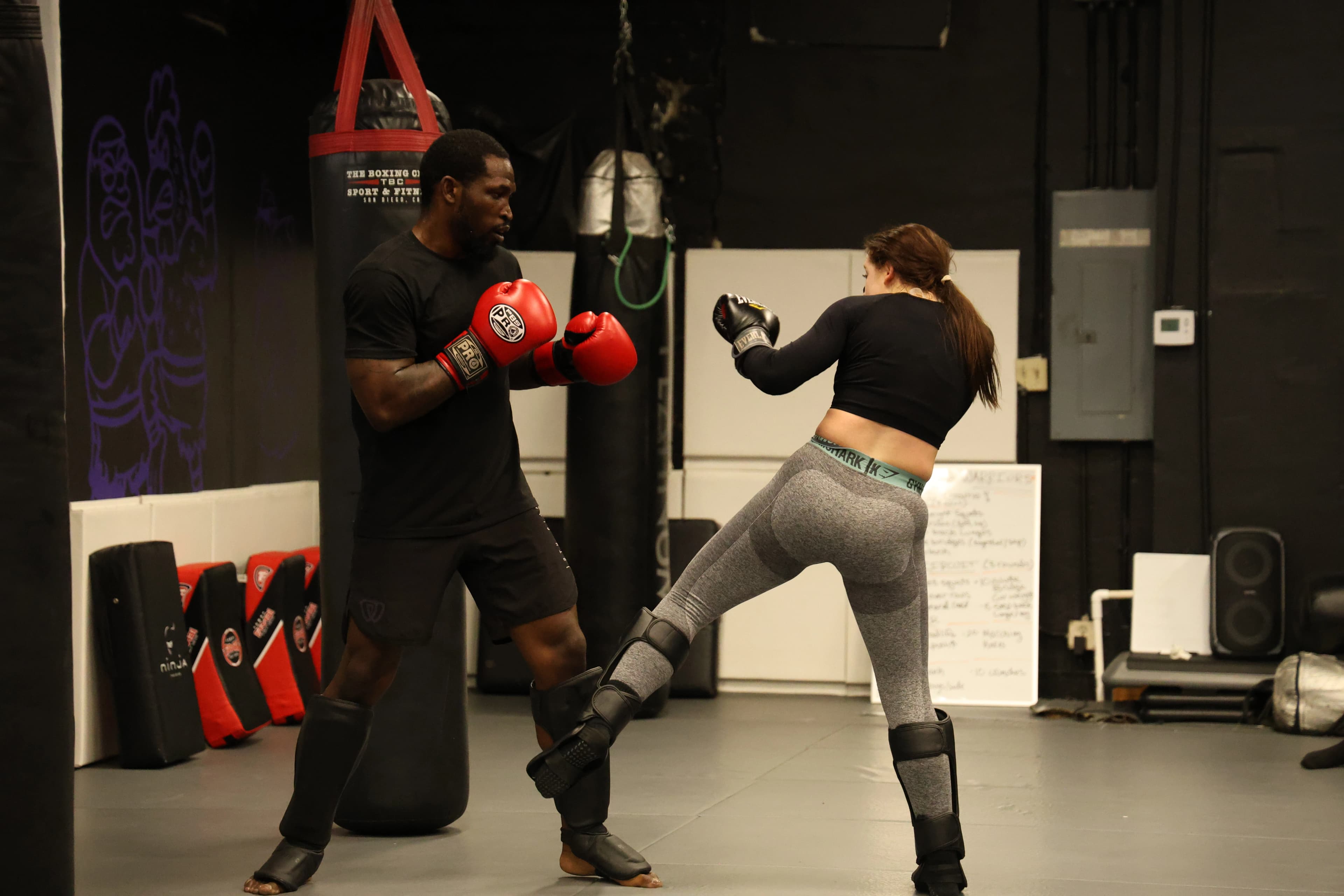
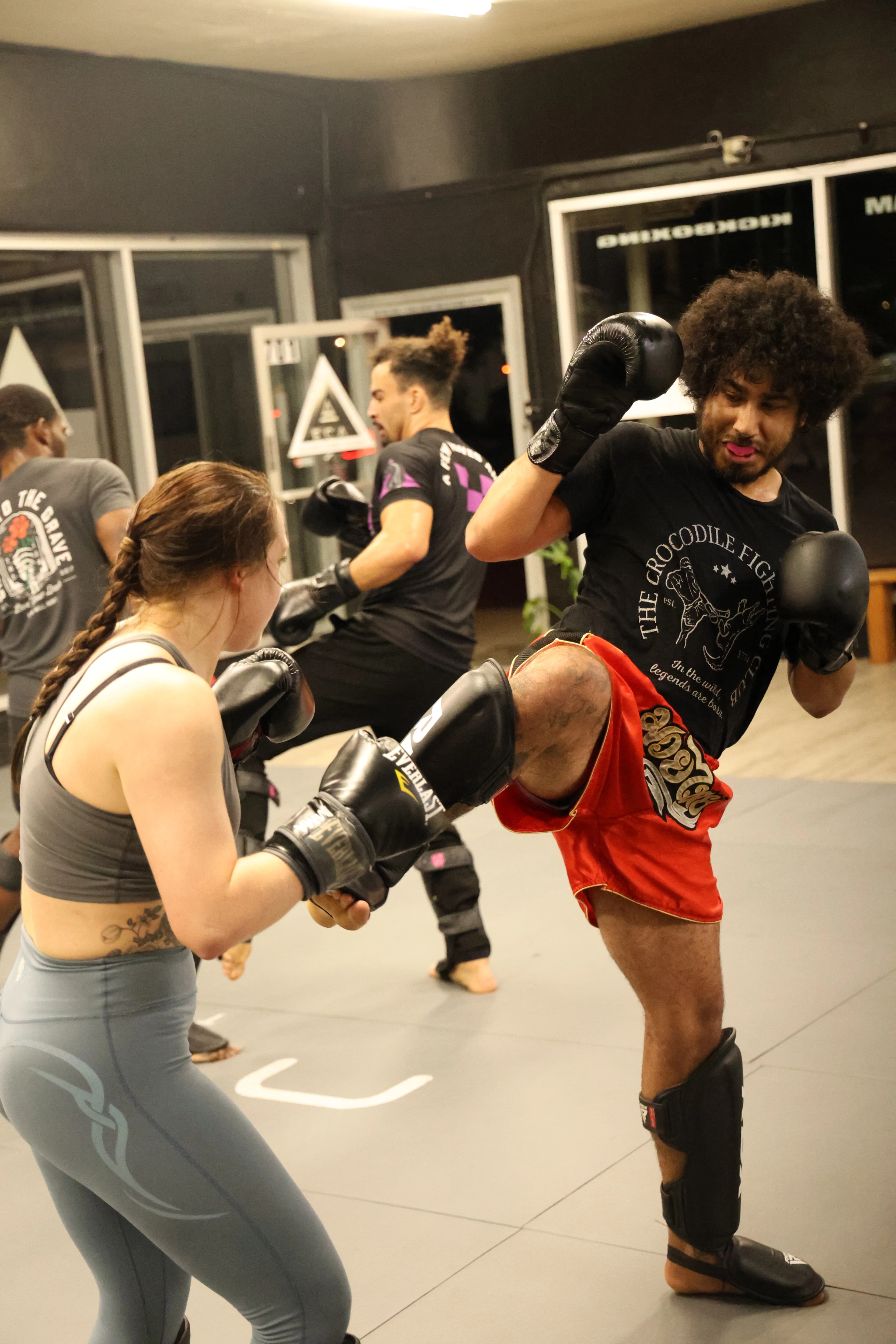
Once you understand your stance and movement, you'll begin learning the major striking techniques used in Muay Thai.Punches teach you how to generate and control upper-body movement. Kicks require balance, coordination, and hip movement. Knees introduce another way to attack at closer range, while elbows require precision and control.As a beginner, technique matters more than power. Your coach can help you develop proper mechanics before worrying about hitting harder or moving faster.
3. Pad Work and Partner Drills
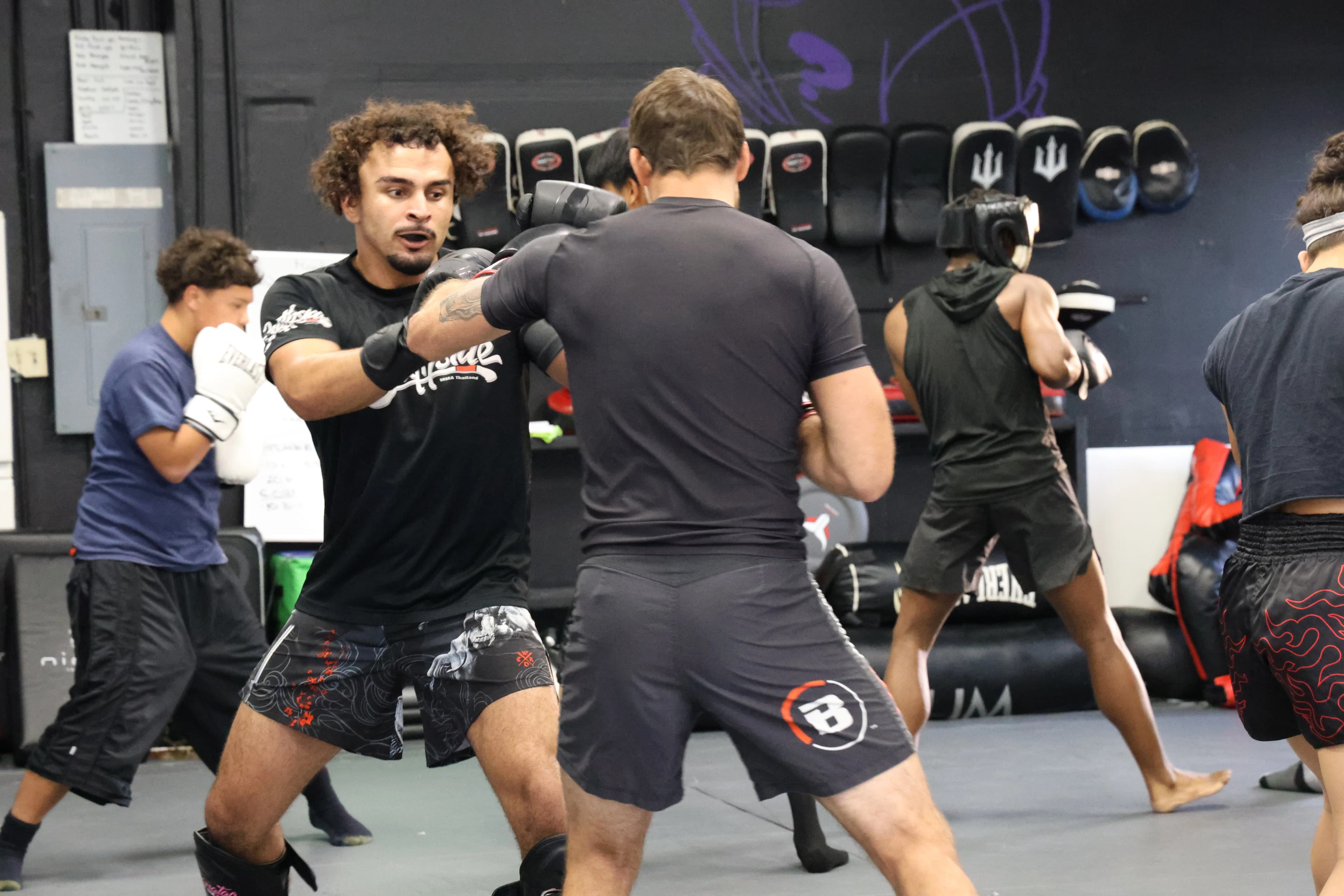
Pad work is one of the most recognizable parts of Muay Thai training. Instead of simply throwing punches and kicks into the air, you work with a coach or training partner to practice combinations and timing.Partner drills help you learn how techniques work with another person moving in front of you. This can improve coordination, reaction time, distance management, and confidence while giving you a practical way to apply the techniques you're learning.
4. Defense and Movement
Muay Thai isn't only about attacking. Beginners also learn how to protect themselves, move away from strikes, maintain a strong position, and respond to an opponent's movement.Defensive movement is an important part of becoming a well-rounded striker. Over time, you'll start understanding how offense, defense, distance, and timing work together.
5. Clinch Fundamentals
The clinch is another major part of Muay Thai. It involves controlling an opponent at close range and using positioning, balance, knees, and other techniques.Beginners don't need to master the clinch immediately. You'll build familiarity with positioning and control as your training progresses.
What to Expect in Your First Muay Thai Class
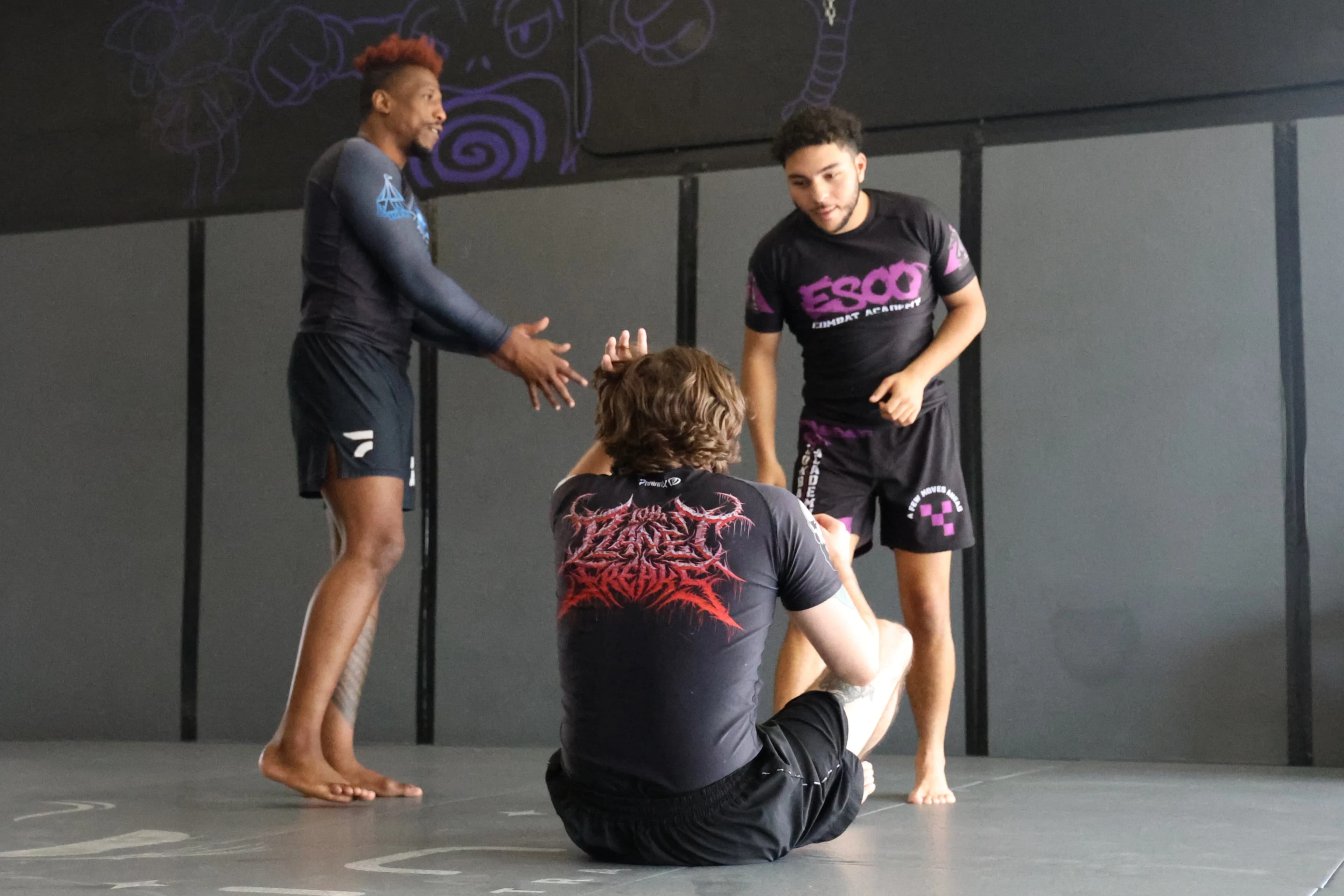
Walking into a martial arts gym for the first time can feel intimidating. You may see experienced students training and wonder whether you belong there. Remember that every experienced martial artist started as a beginner. Your first class is about learning, not proving yourself.A typical beginner-friendly session may include a warm-up, movement and conditioning, technique instruction, pad work or partner drills, and additional conditioning. Your coach will guide you through the techniques and explain what you're doing. You don't need to memorize everything during your first session. Your goal for day one is simply to learn something new and finish your first class.
What Should You Wear to Muay Thai?
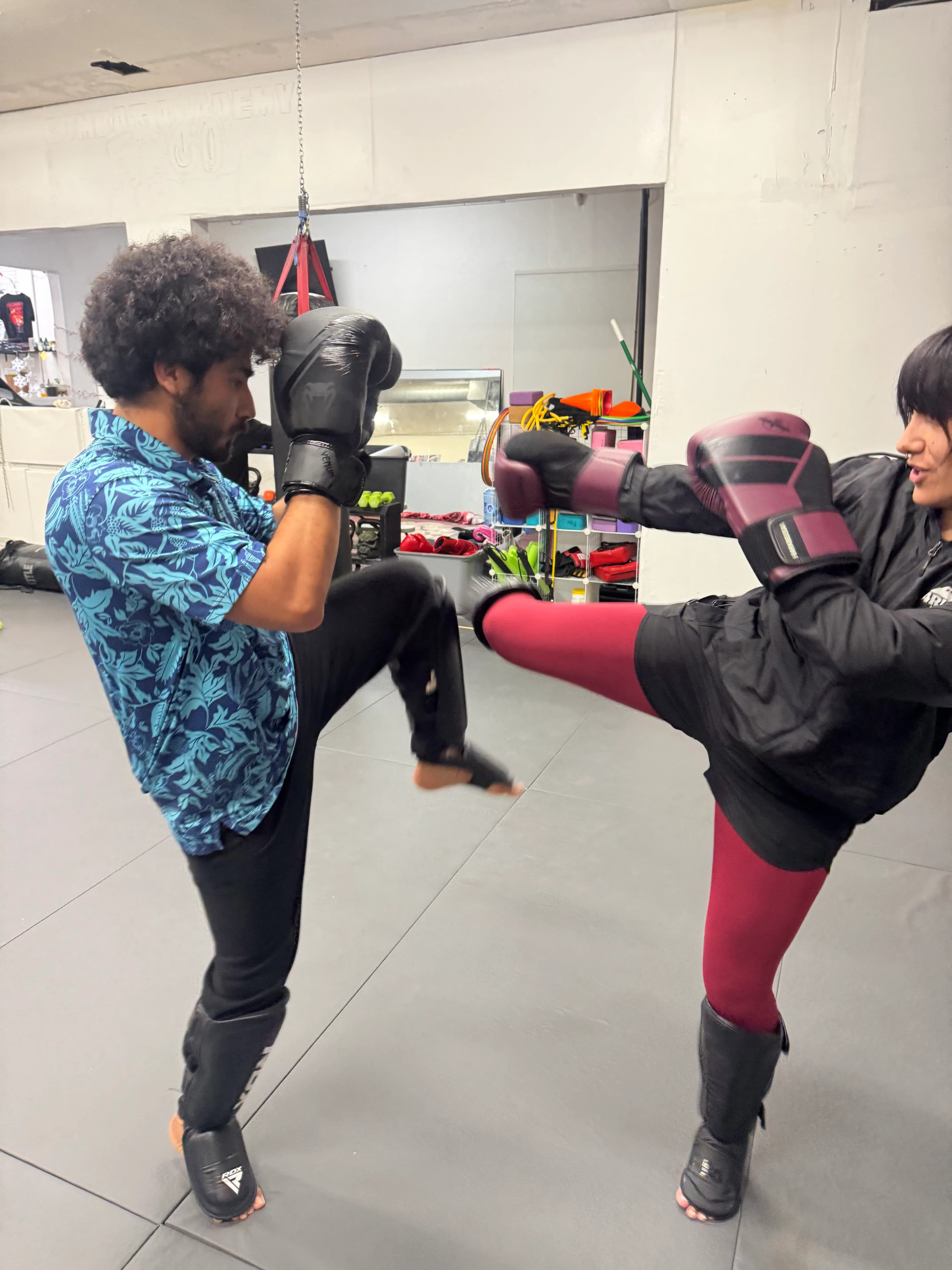
For your first Muay Thai class, comfortable workout clothes are generally a good place to start. Wear clothing that allows you to move freely and expect to work up a sweat.You don't need to show up with a giant collection of martial arts equipment on your first day. Start with the basics and ask your coach what gear you'll need as you continue training.If you're unsure about what to bring, contact the team before your first class through our contact page.
Do You Have to Spar on Your First Day?
No. Being new to Muay Thai does not mean you need to immediately get into a hard sparring session.Beginners should first learn basic techniques, movement, defense, and training etiquette. As your skills develop, your coaches can help determine when you're ready for more advanced training.Learning Muay Thai is a progression. You don't have to rush it.
Benefits of Muay Thai for Beginners
Muay Thai can provide much more than striking practice. Consistent training combines technical learning with demanding physical activity and a strong social component.Some of the benefits beginners can experience include:
- Improved cardiovascular fitness
- Better coordination and balance
- Increased strength and endurance
- Improved mobility and athleticism
- Greater confidence
- Better stress management
- Improved focus and discipline
- Practical striking and self-defense skills
- A challenging full-body workout
- A supportive martial arts community
Muay Thai for Fitness
If your main goal is getting in better shape, Muay Thai can be an effective way to make training more engaging.Rather than spending an hour doing the same repetitive workout, Muay Thai combines technique, movement, pad work, conditioning, and drills. The result is a workout that challenges your cardio, coordination, endurance, strength, and mental focus.At ECA, Muay Thai training incorporates high-energy conditioning, explosive movement, and endurance work alongside technical instruction.You can also combine Muay Thai with our Strength & Conditioning program if you're looking to build a broader fitness routine.
Muay Thai for Self-Defense
Muay Thai teaches practical striking skills, movement, distance management, defensive techniques, and close-range control.While no martial art can guarantee what will happen in a real-world confrontation, learning how to move, protect yourself, maintain awareness, and use controlled striking techniques can contribute to your overall self-defense skill set.For students interested in developing a broader set of skills, ECA also offers No-Gi Jiu-Jitsu and MMA training.
Muay Thai vs. Kickboxing: What's the Difference?
Muay Thai and kickboxing are both striking-based martial arts, but they aren't exactly the same.Muay Thai traditionally places significant emphasis on punches, kicks, knees, elbows, and clinch work. Kickboxing generally emphasizes punches and kicks, although the exact rules and techniques can vary depending on the style and gym.If you're trying to decide between them, consider what type of striking training interests you most. You can read more about ECA's Kickboxing program and compare it with our Muay Thai classes.
How Often Should a Beginner Train Muay Thai?
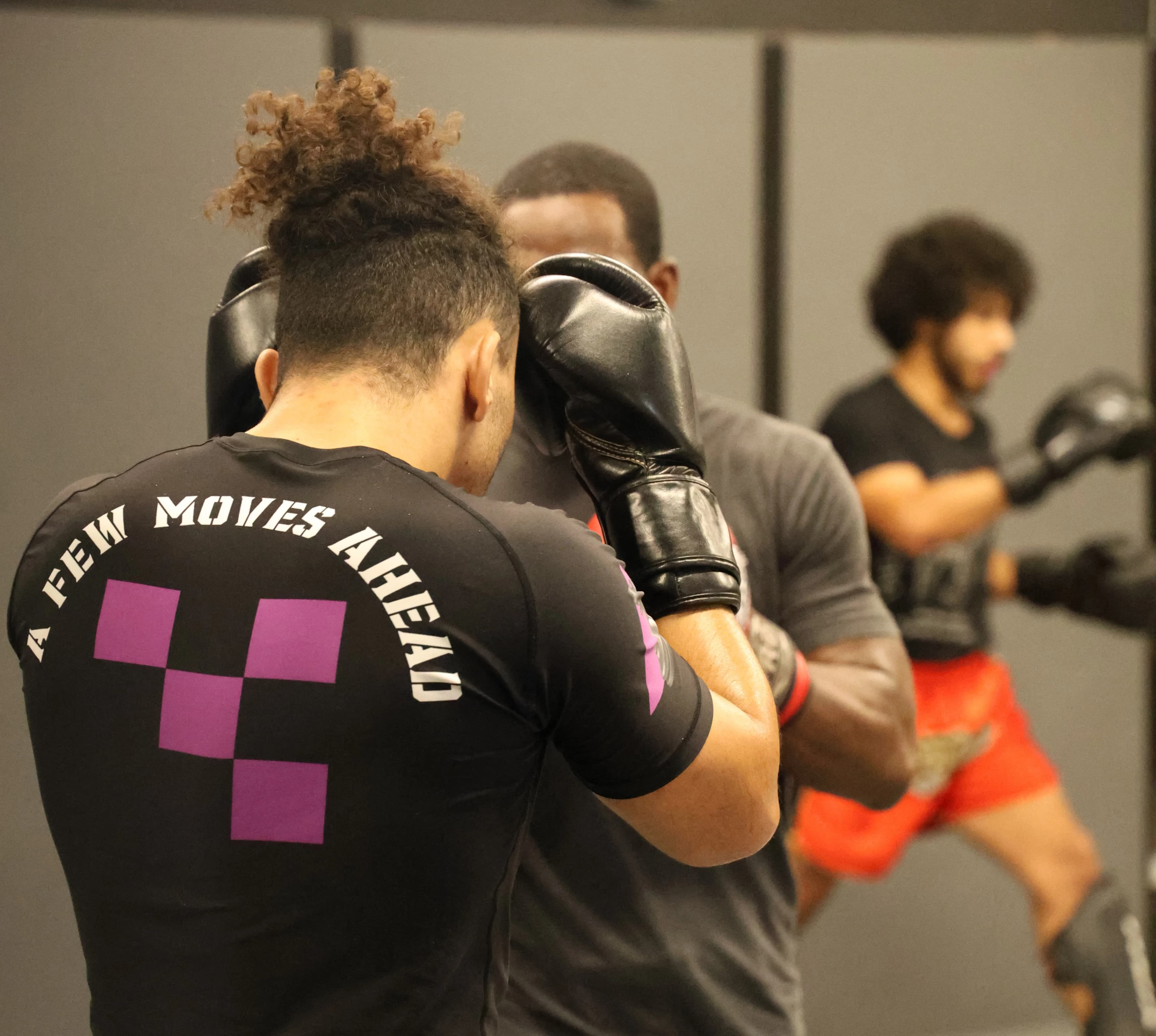
If you're completely new, consistency is usually more important than trying to train every day.Starting with two or three classes per week can give you enough repetition to develop skills while still giving your body time to adapt to the training.As your conditioning improves and you become more comfortable with the techniques, you can adjust your training frequency based on your goals, schedule, recovery, and experience.The most important thing is to create a routine you can actually maintain.
Muay Thai Classes in Escondido
If you're searching for beginner Muay Thai classes in Escondido, Escondido Combat Academy offers Muay Thai training in a supportive martial arts environment.Current Muay Thai classes are available Tuesday and Thursday at 6:30 PM and Saturday at 12:00 PM. Check the current class schedule before visiting because class times can change.ECA's Muay Thai program is beginner friendly, so you don't need previous Muay Thai or martial arts experience to get started.
How to Get Started With Muay Thai
Starting something new is often the hardest part. Once you walk through the door, your coach can help you understand what to do next.Here's a simple way to get started:
- Choose a Muay Thai class from the current schedule.
- Wear comfortable workout clothes and bring water.
- Arrive a little early so you have time to check in.
- Tell your coach that you're new to Muay Thai.
- Focus on learning the fundamentals rather than trying to be perfect.
- Ask questions when you're unsure about a technique.
- Give yourself time to adjust to the training.
- Come back and build consistency.
Your First Muay Thai Class Starts With One Step
You don't need to be an athlete. You don't need to know how to throw a perfect kick. You don't need years of martial arts experience.You simply need to be willing to learn.Muay Thai can help you develop fitness, confidence, coordination, discipline, and practical striking skills while becoming part of a training community.If you've been thinking about trying Muay Thai, take a look at our Muay Thai classes, check the class schedule, or contact Escondido Combat Academy to learn more about getting started.
Frequently Asked Questions About Muay Thai for Beginners
Can I start Muay Thai with no experience?
Yes. Escondido Combat Academy's Muay Thai program is beginner friendly, and no previous Muay Thai experience is required. Beginners can learn fundamental stance, footwork, striking, defense, pad work, partner drills, and other techniques step by step.
What should I wear to my first Muay Thai class?
Comfortable workout clothes that allow you to move freely are a good choice for your first class. You can ask your coach about additional equipment and gear as you continue training.
Will I have to spar during my first Muay Thai class?
No. Beginners can focus on fundamentals, technique, movement, pad work, and partner drills before progressing to more advanced training. Your coach can help determine when you're ready for additional training activities.
Is Muay Thai a good workout?
Yes. Muay Thai training can provide a challenging full-body workout while developing cardio, endurance, coordination, balance, mobility, and athleticism.
Is Muay Thai good for self-defense?
Muay Thai teaches practical striking, defensive movement, distance management, and close-range techniques. It can be one component of a broader self-defense skill set.
How often should a beginner train Muay Thai?
Many beginners can start with two or three classes per week and increase their training frequency as their fitness, skills, and recovery improve.
Where can I learn Muay Thai in Escondido?
Escondido Combat Academy offers beginner-friendly Muay Thai classes at 701 S Escondido Blvd in Escondido, California. Check the current schedule for available class times.
What is the difference between Muay Thai and kickboxing?
Both are striking martial arts, but Muay Thai traditionally incorporates punches, kicks, knees, elbows, and clinch work. Kickboxing generally emphasizes punches and kicks, although rules and techniques vary by style and gym.