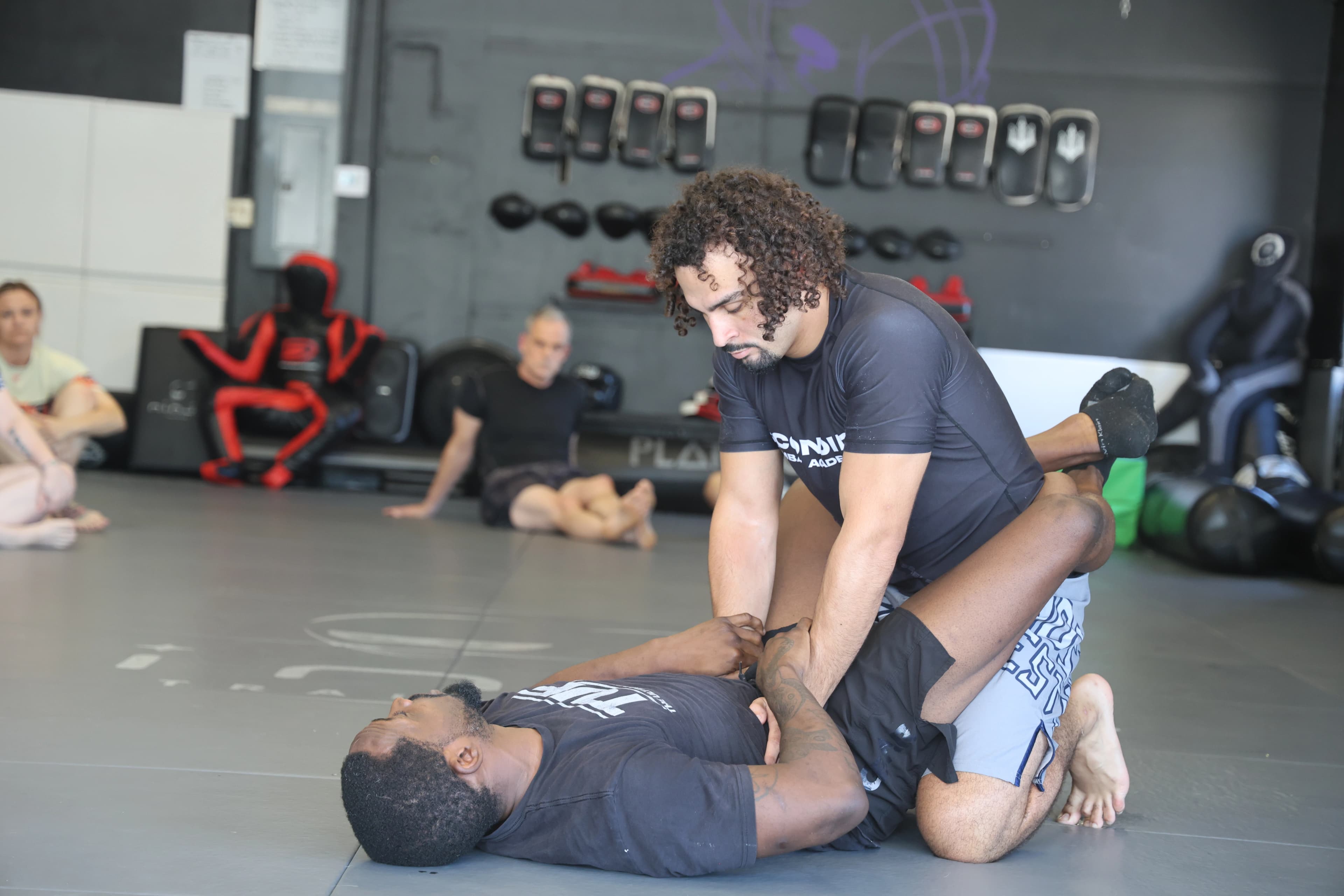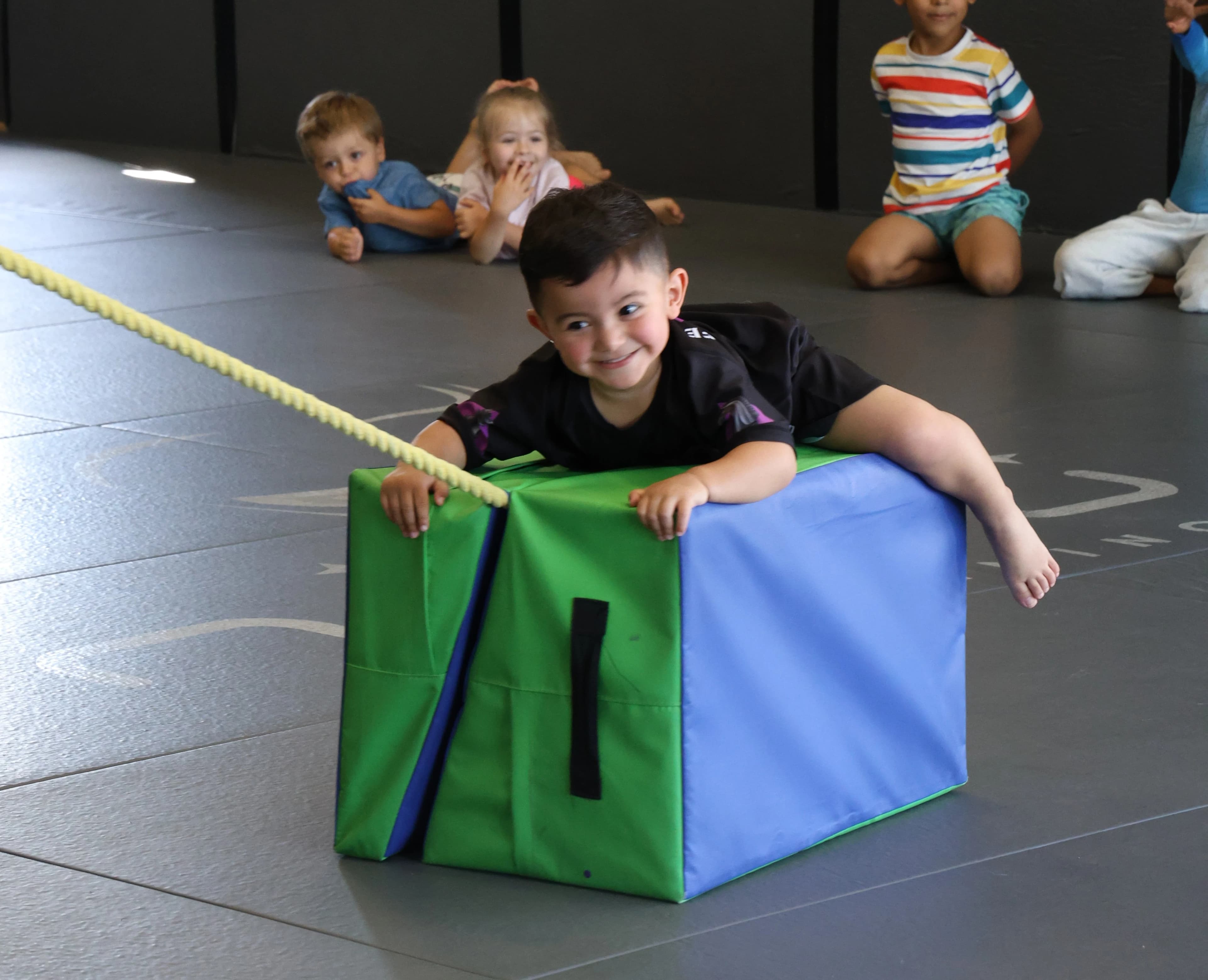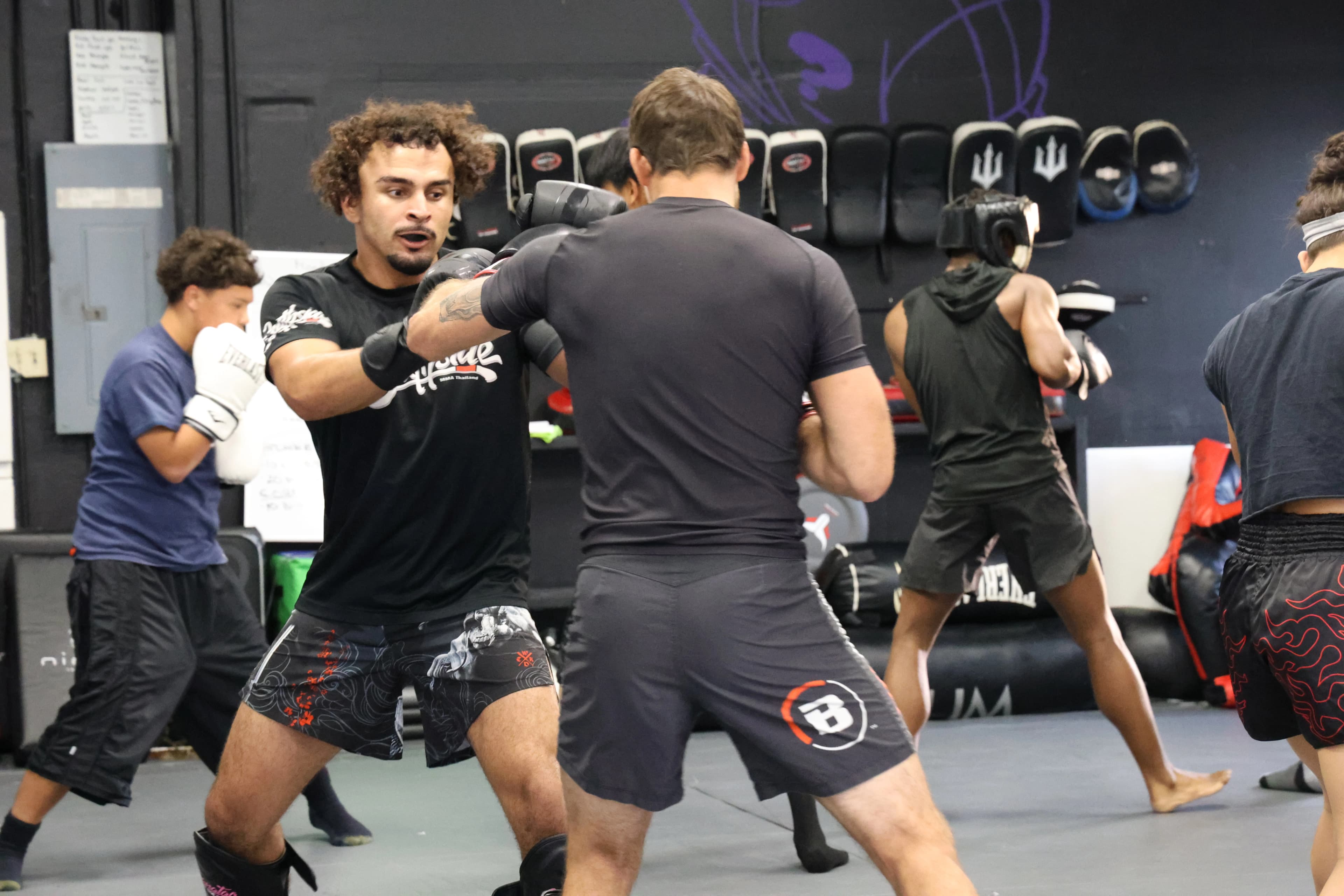
Self-defense is one of the most valuable skills a woman can learn, but it's often misunderstood. Many people assume self-defense is simply learning how to punch, kick, or escape an attack. In reality, effective self-defense begins long before a physical confrontation ever occurs. The ability to recognize danger, establish boundaries, remain aware of your surroundings, and respond confidently can significantly improve personal safety. At Escondido Combat Academy, we believe self-defense is about empowerment, confidence, and preparation. Whether you're a college student, a working professional, a mother, or simply looking to feel more confident, these self-defense principles can help you feel more prepared in everyday situations.
Key Takeaways
- Situational awareness is your first line of defense.
- Confidence and body language can discourage potential threats.
- Setting boundaries is an essential self-defense skill.
- Simple, practical techniques are often more effective than complex movements.
- Self-defense training builds confidence that extends beyond personal safety.
1. Awareness Is Your Greatest Self-Defense Tool
Most dangerous situations can be avoided through awareness. Paying attention to your environment allows you to identify potential problems before they escalate.Avoid distractions when walking through parking lots, shopping centers, campuses, or unfamiliar neighborhoods. Looking up from your phone and remaining aware of the people around you can make a significant difference.
2. Trust Your Instincts
If a situation feels wrong, trust that feeling. Many people ignore uncomfortable situations because they don't want to appear rude or overreact.Your intuition exists for a reason. If someone makes you uncomfortable, leave immediately, create distance, and move toward a safer environment.
3. Learn to Set Clear Boundaries
Self-defense isn't always physical. Learning how to communicate confidently and establish personal boundaries can prevent many situations from escalating. Speaking clearly, maintaining eye contact, and using a confident tone can communicate that your boundaries should be respected.
4. Walk With Confidence
Body language communicates a great deal. Walking with confidence, maintaining good posture, and appearing aware of your surroundings can make you seem less vulnerable. Confidence isn't about appearing intimidating. It's about projecting awareness, purpose, and self-assurance.
5. Practice Creating Distance
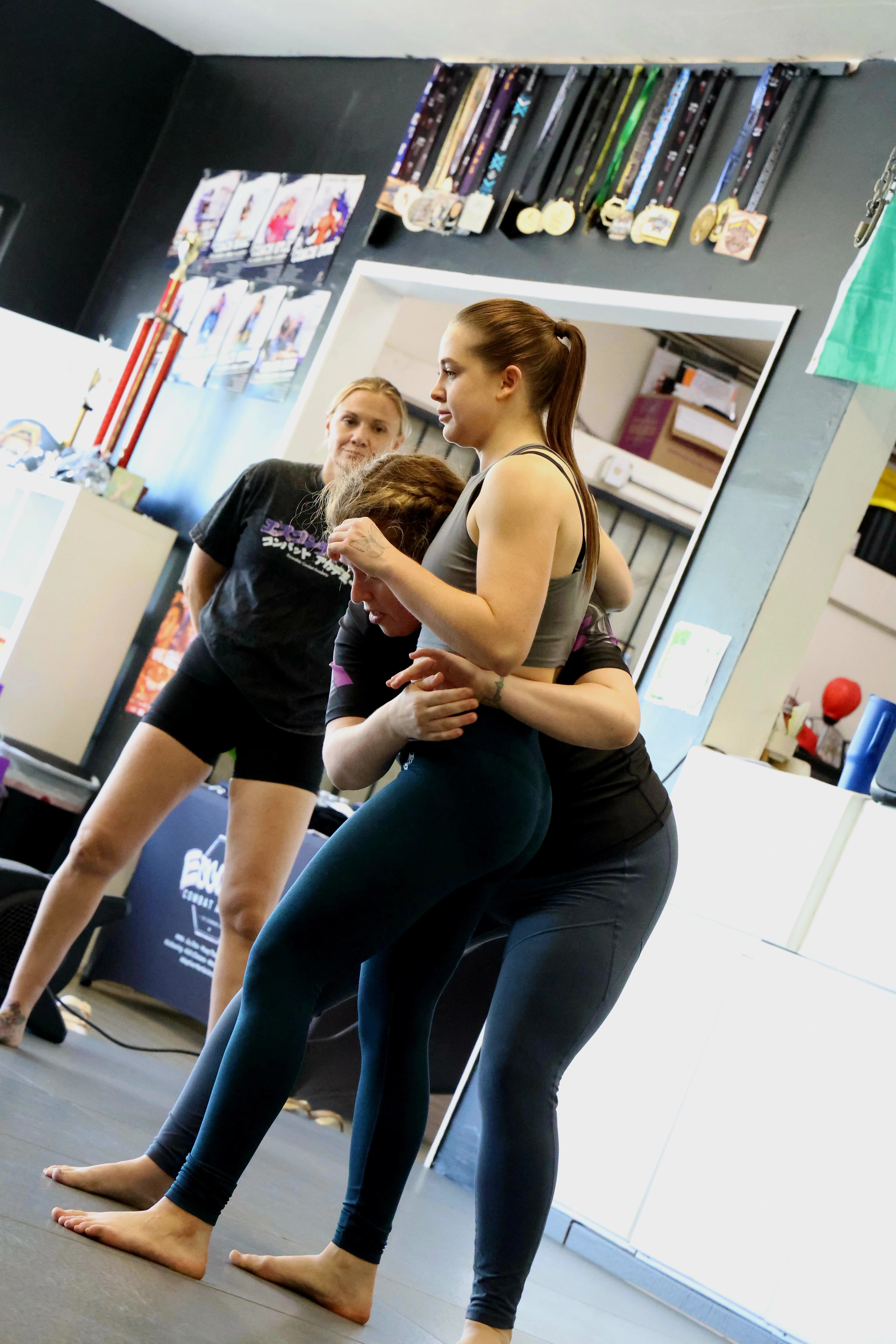
One of the primary goals of self-defense is creating enough distance to escape. Simple techniques that create space can often be more valuable than attempting to overpower someone. Effective self-defense training focuses on escaping dangerous situations rather than winning a fight.
6. Learn Practical Self-Defense Techniques
Quality self-defense programs teach practical skills that can be applied in realistic situations. Students learn how to break free from common grabs, protect themselves, maintain distance, and respond under pressure. Our Women's Self-Defense classes focus on realistic scenarios, practical techniques, and confidence-building exercises.
7. Physical Fitness Improves Personal Safety
Strength, mobility, endurance, and balance all contribute to personal safety. Improving your physical fitness can increase your ability to react quickly, maintain distance, and move effectively when necessary. Many women discover that self-defense training improves both their physical and mental well-being.
8. Martial Arts Builds Confidence
One of the biggest benefits of martial arts is the confidence it develops. Programs such as No-Gi Jiu-Jitsu teach students how to remain calm under pressure while improving problem-solving skills, physical fitness, and self-confidence.
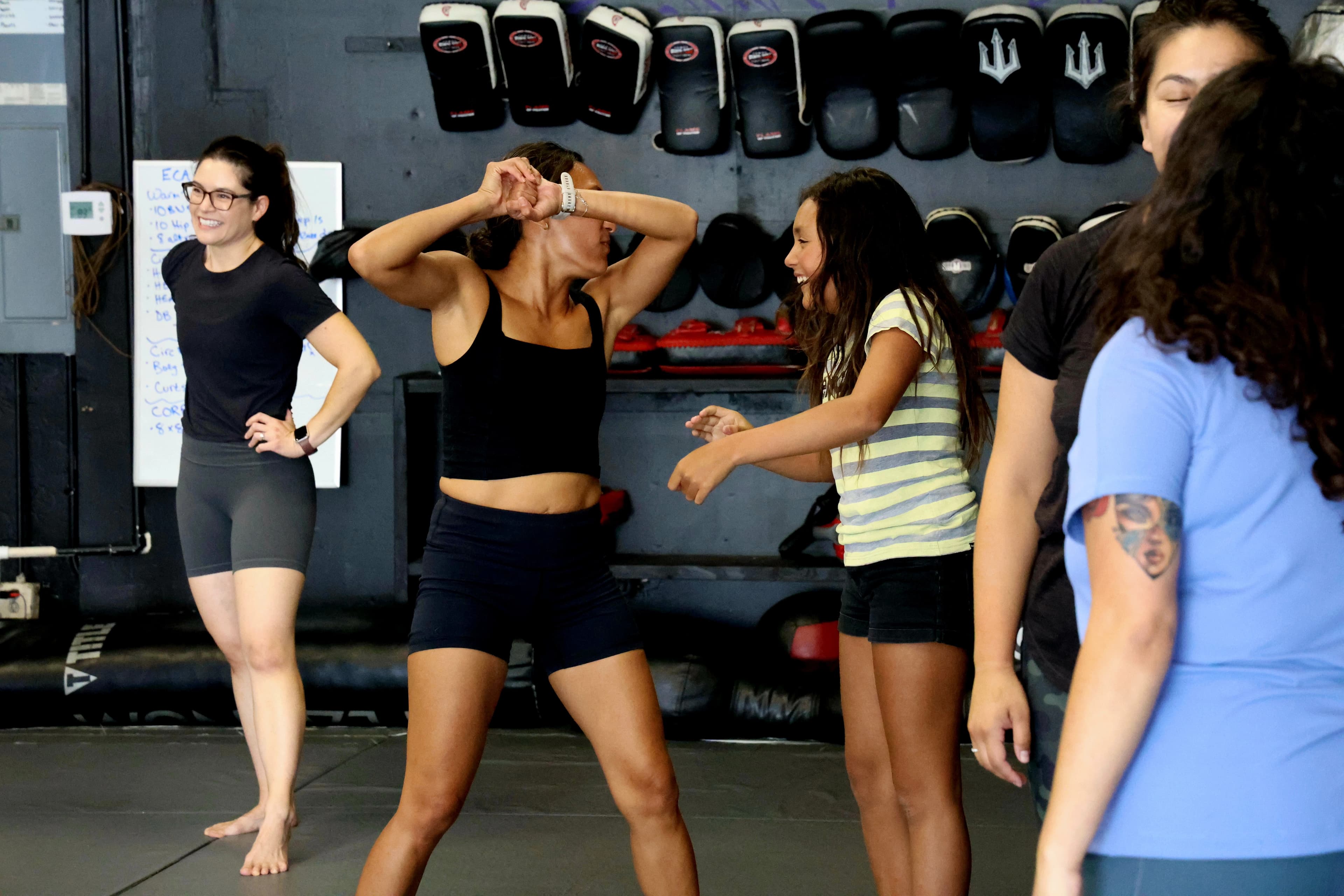
9. Train With Other Women
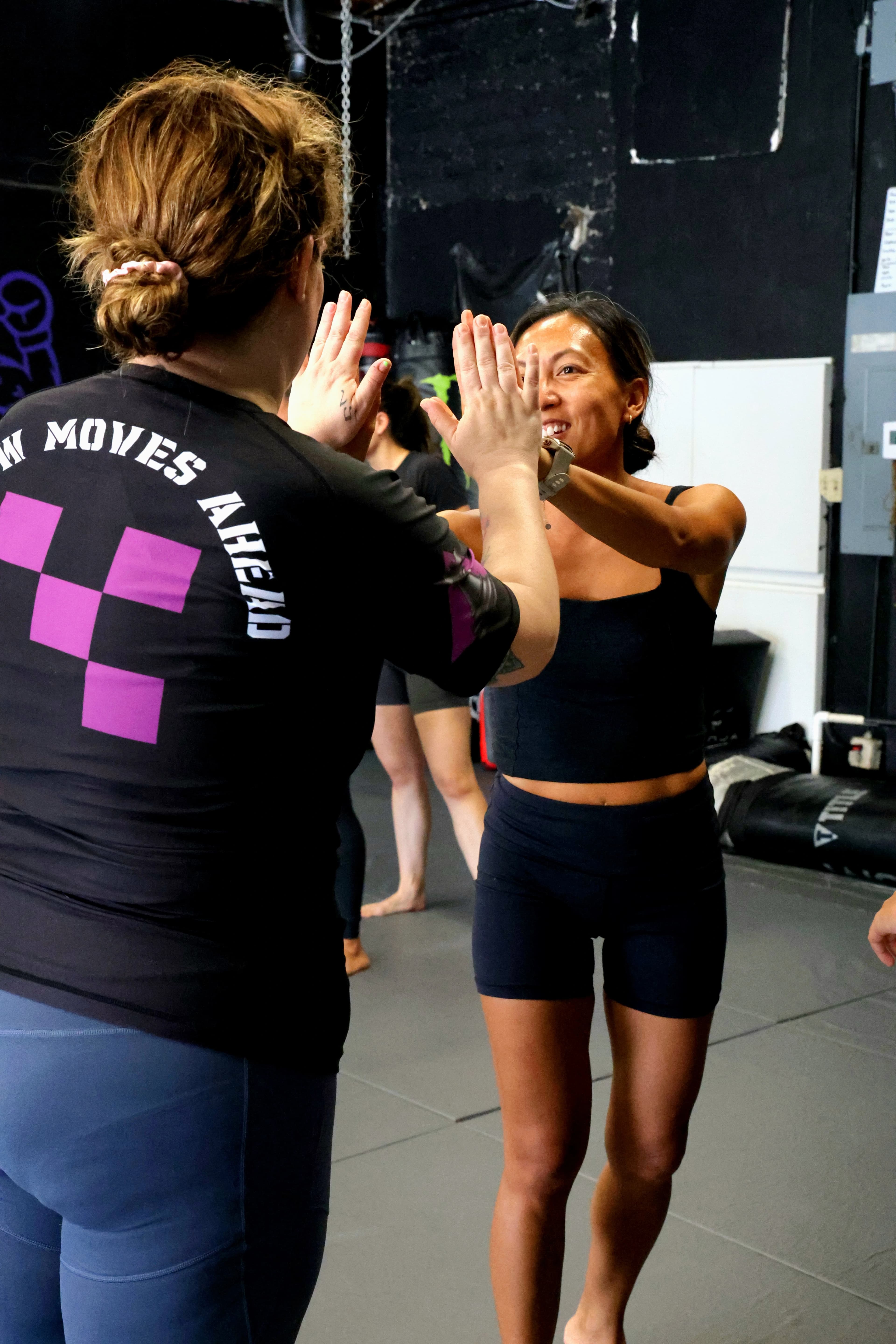
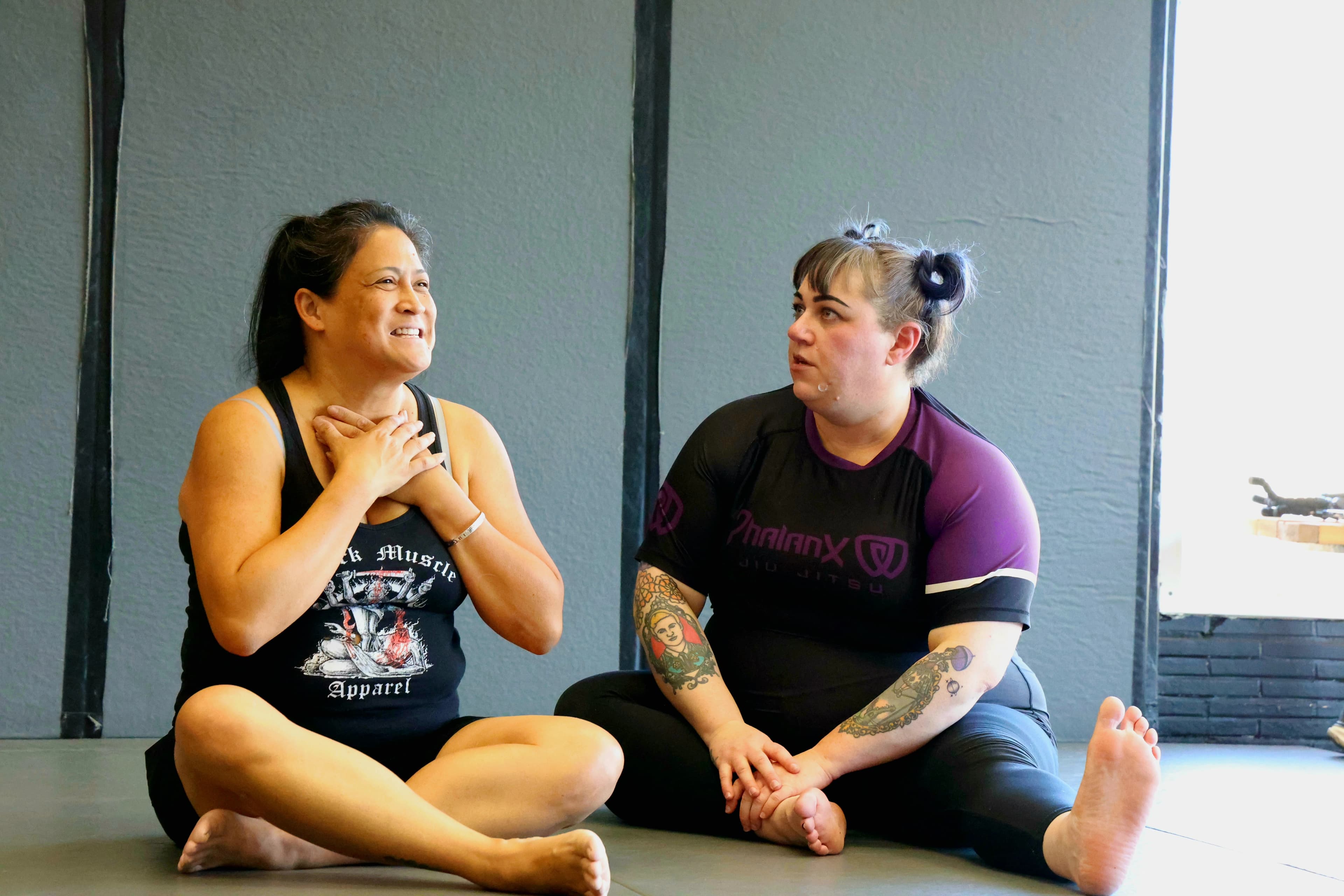
Learning alongside other women creates a supportive environment where students can ask questions, practice techniques, and build confidence together. Community is one of the most overlooked aspects of self-defense training. Supportive training partners often become an important part of the learning process.
10. Self-Defense Is a Skill That Requires Practice
Reading about self-defense is helpful, but practical training is what builds confidence. Like any other skill, self-defense improves through repetition and consistent practice.You don't need to be an athlete to get started. You simply need to take the first step.
Frequently Asked Questions
What is the best self-defense class for women?
The best programs focus on awareness, confidence, realistic techniques, and practical scenarios rather than complicated martial arts techniques.
Do I need previous experience?
No. Most women's self-defense programs are specifically designed for beginners.
What should I wear to a self-defense class?
Comfortable athletic clothing is usually recommended. Most beginner classes don't require any special equipment.
Can self-defense classes help build confidence?
Absolutely. Many students report feeling more confident, empowered, and prepared after just a few classes.
Ready to Learn Practical Self-Defense?
Learning self-defense isn't about living in fear. It's about developing the confidence and skills to navigate the world more comfortably. Explore our Women's Self-Defense program, browse our class schedule, review our membership options, or contact us to schedule your first class.